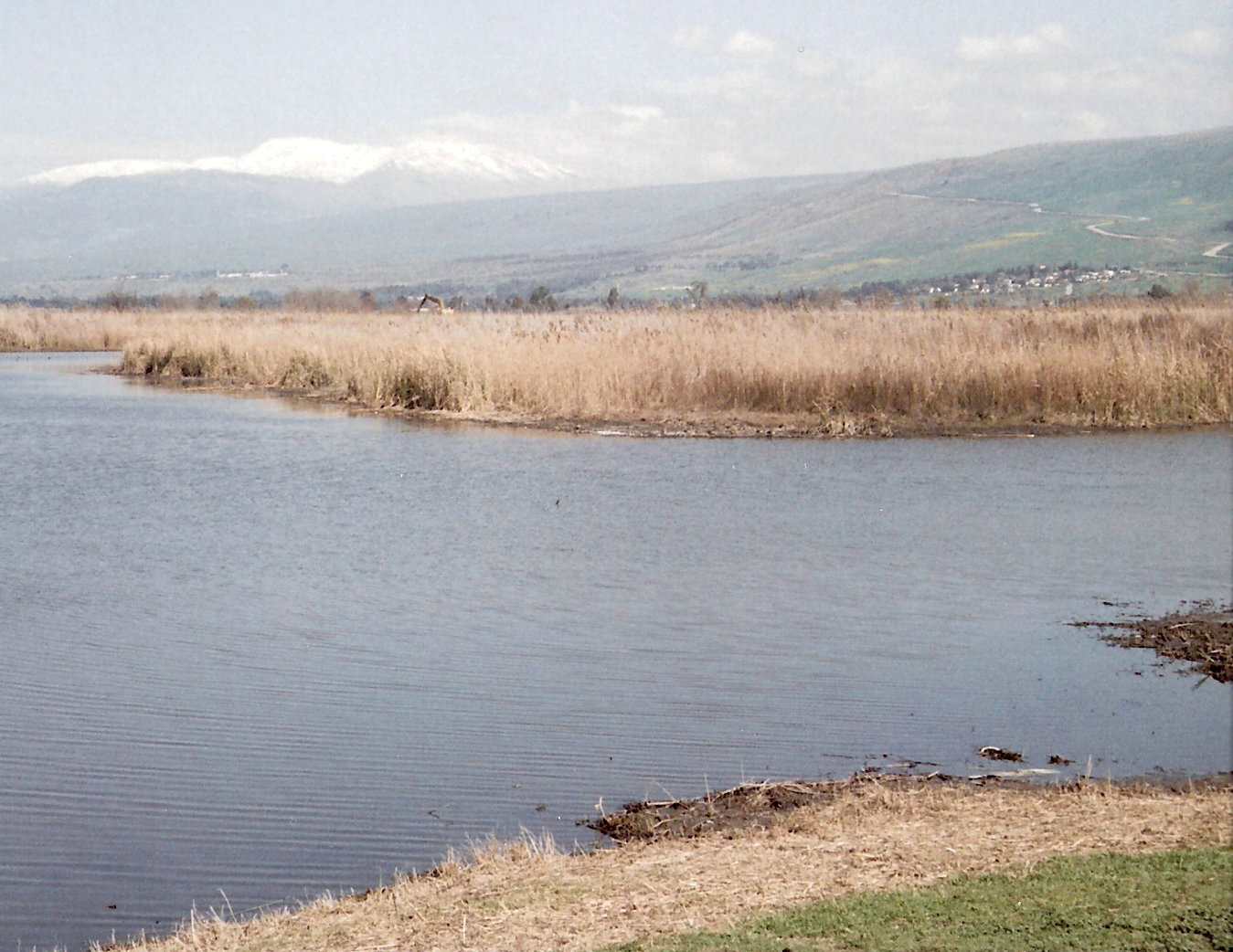
The first photo shows the Hula lake in the foreground with the snow-capped Hermon mountain towering above.
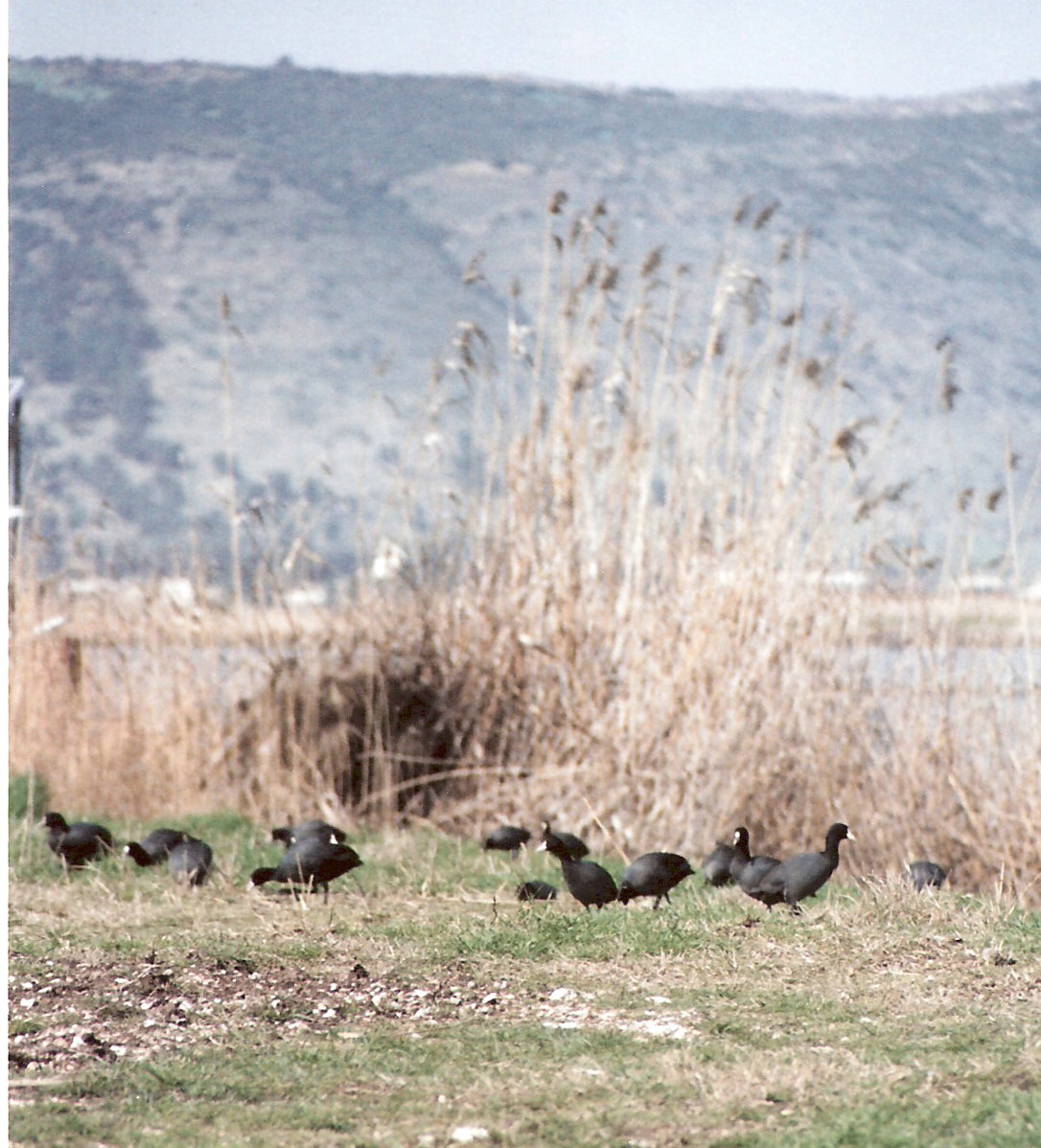
Here we see several birds grazing the wetlands with mountains in the background.
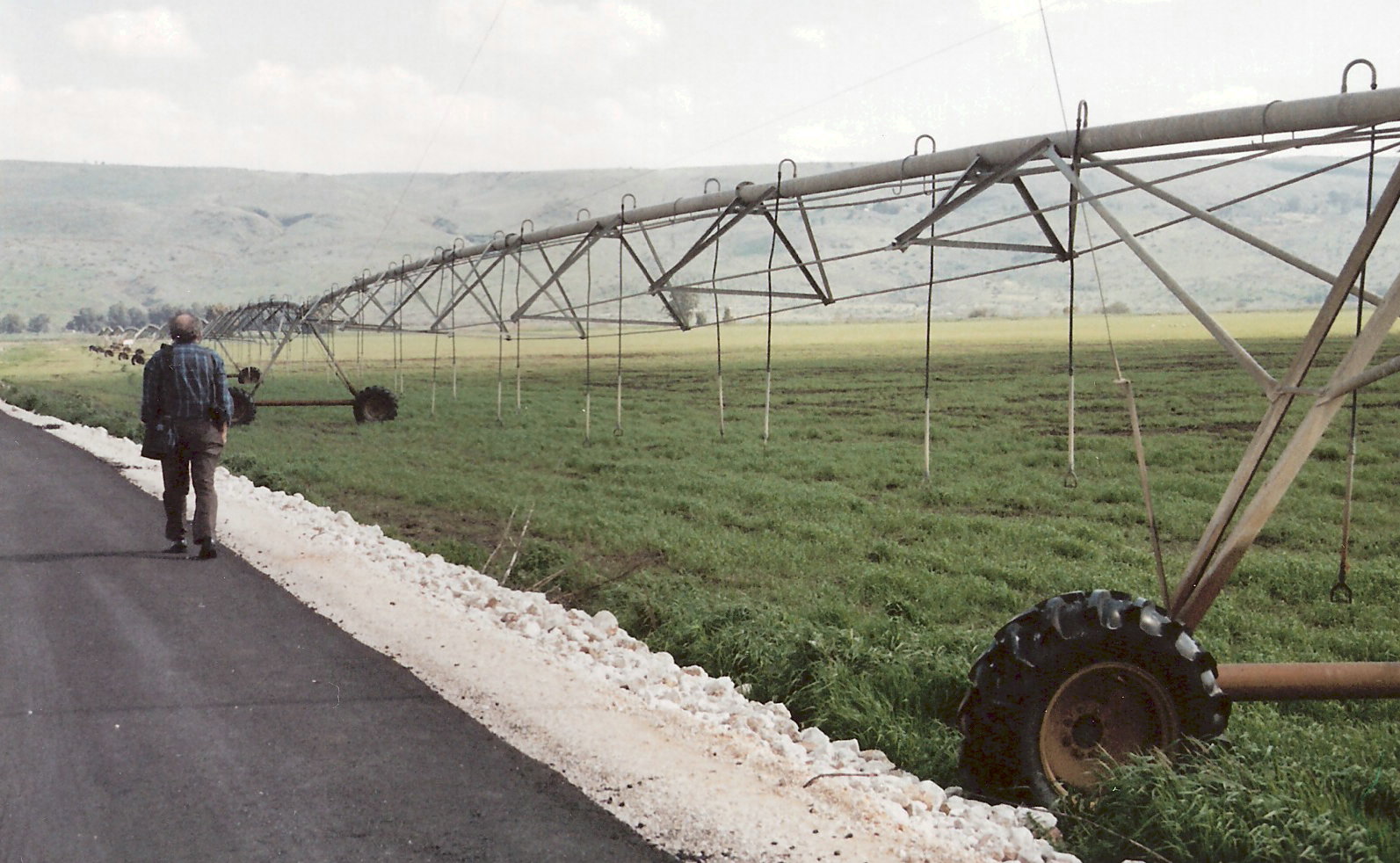
My father walks along a massive irrigation machine. The contraption crawls around on wheels while spraying water all over the field.
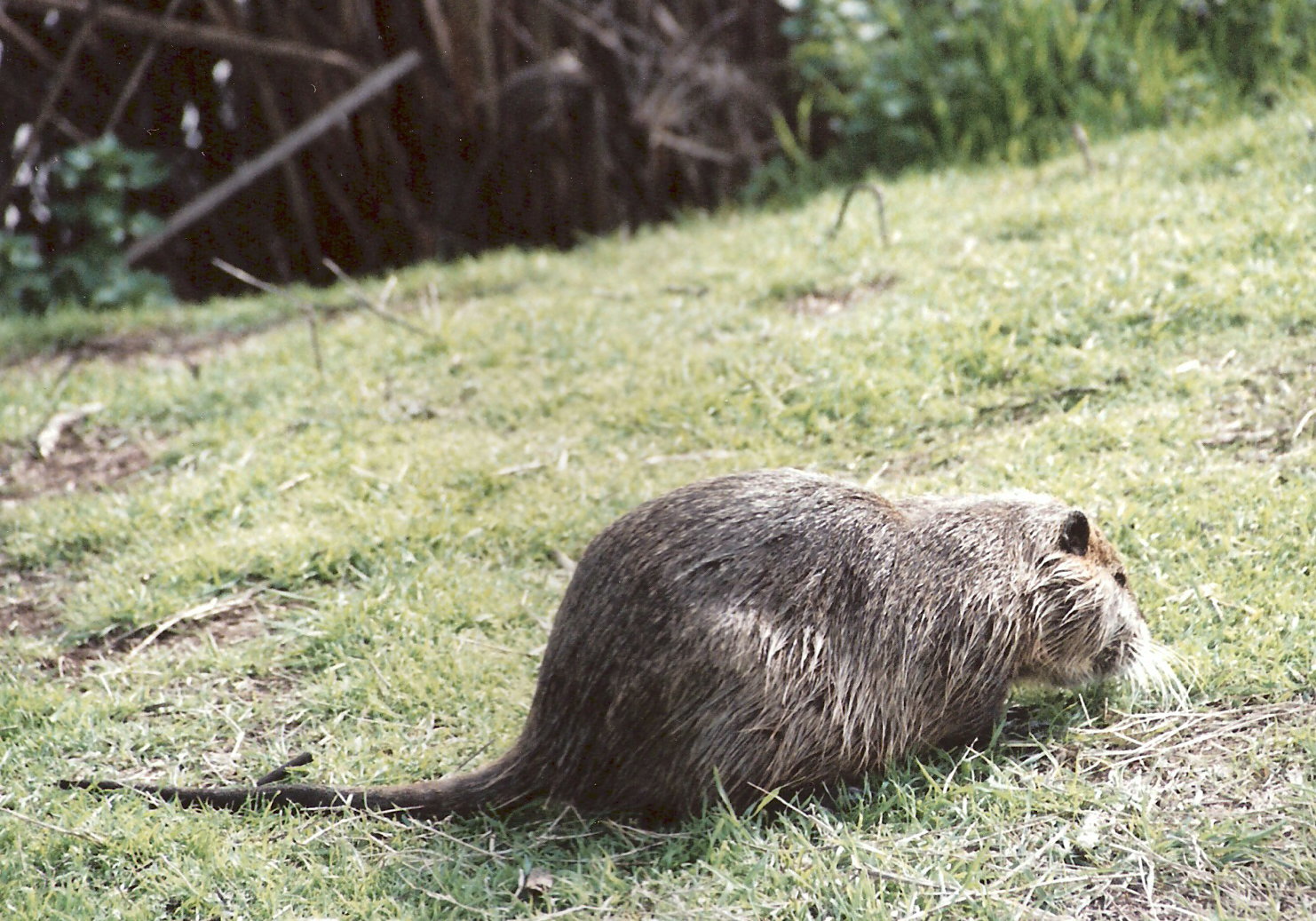
The Hula reserve is also populated by other animals, who enjoy sunbathing on the splendid grass.
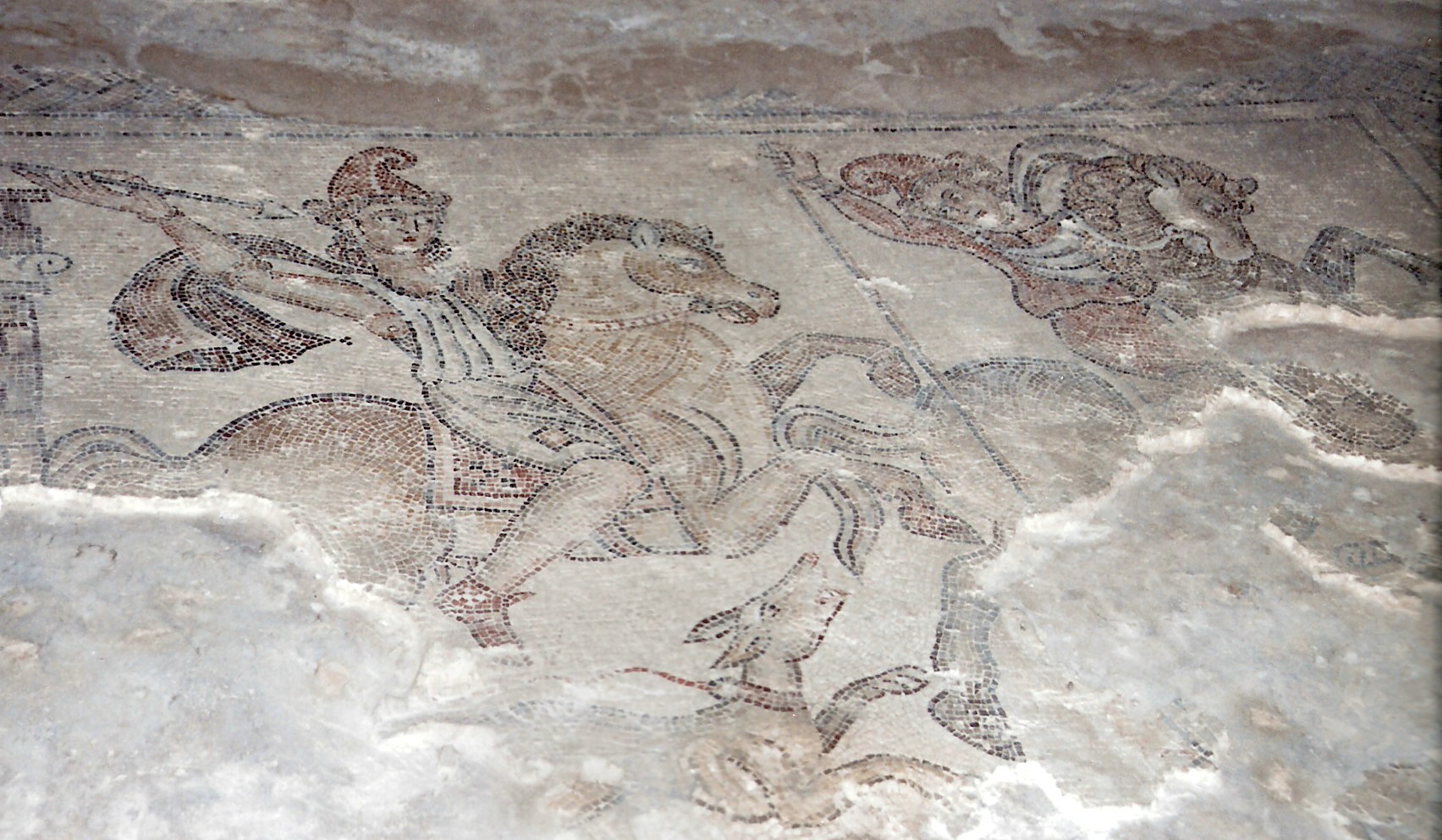
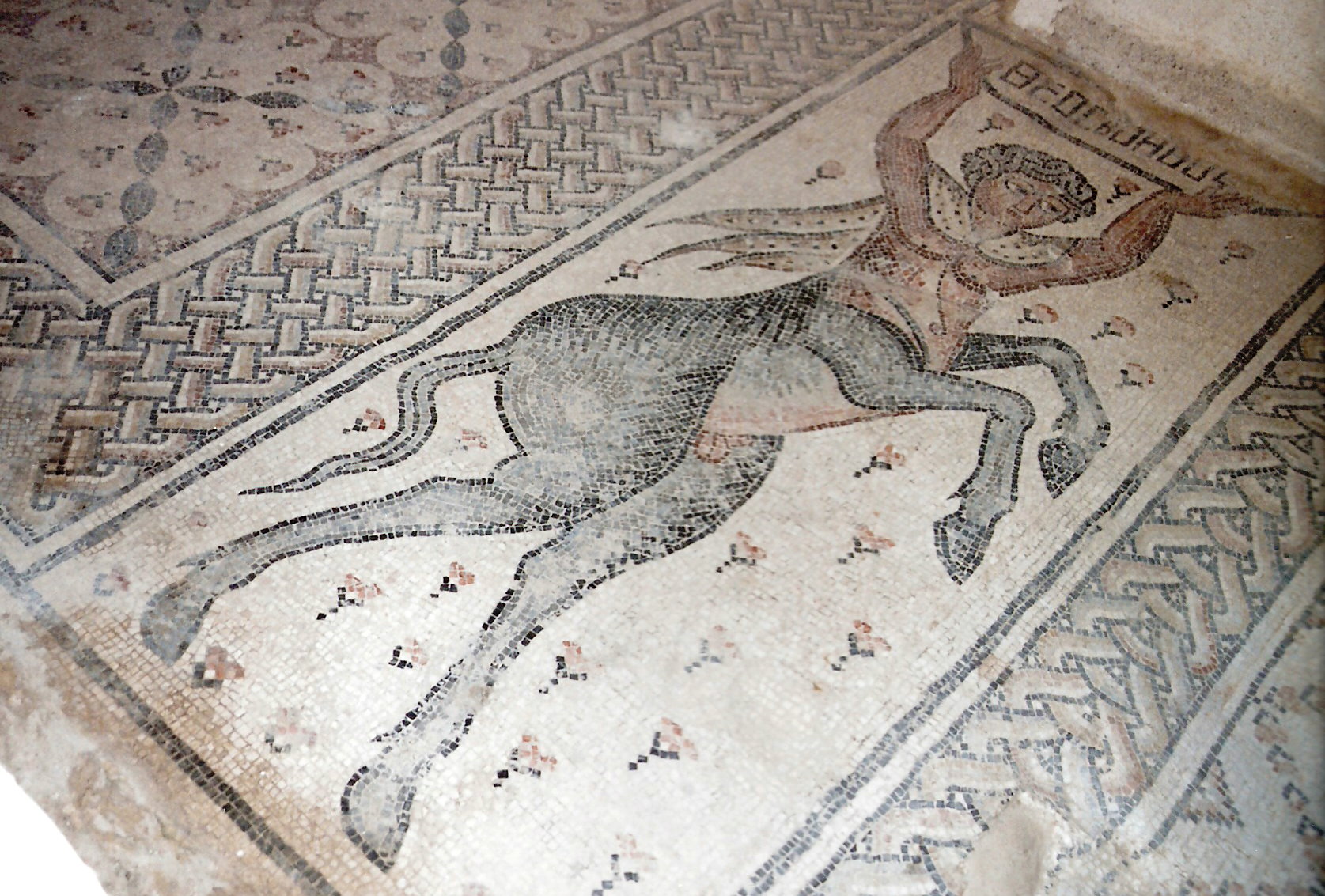
Some of these mosaics feature exotic, even mythical, animals!
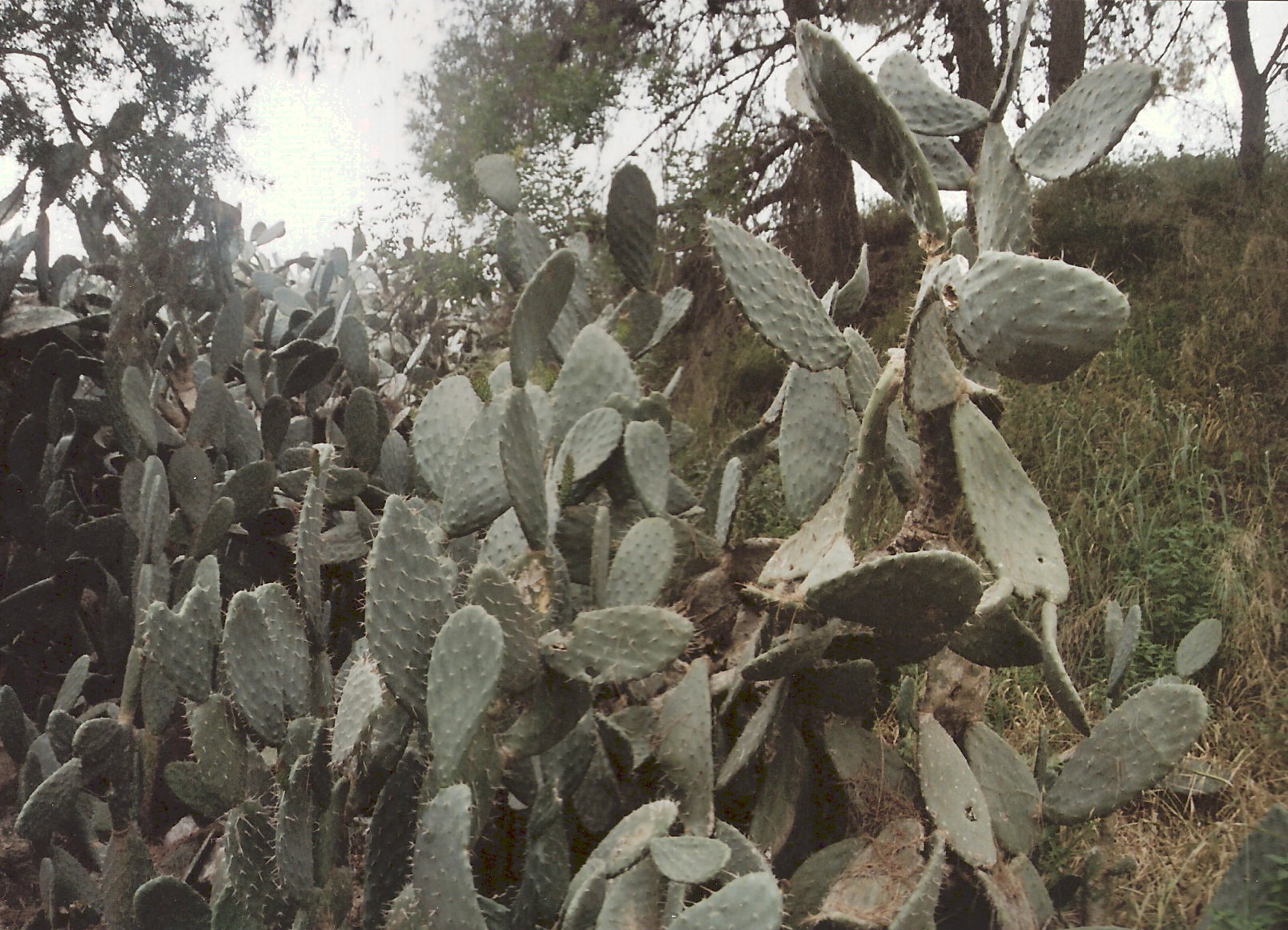
Besides mosaics, the ruins of Tzippori lie in a scenic area. Here are some cactii. (It must be mentioned that for some unknown reason I am very fond of these desert plants!)
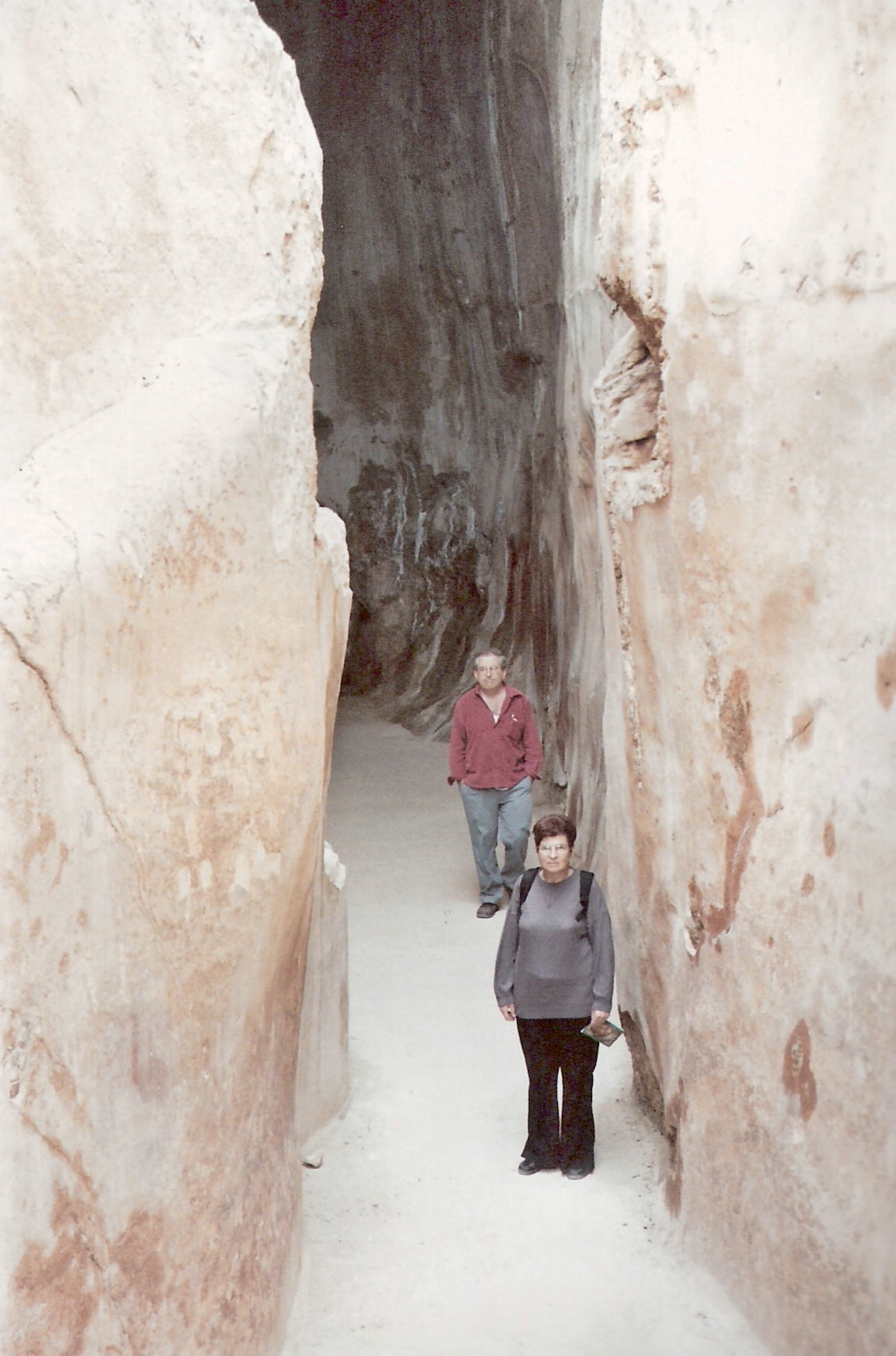
To get water to the city, a grand canal system was constructed. Here my parents can be seen dwarfed by these ancient structures.
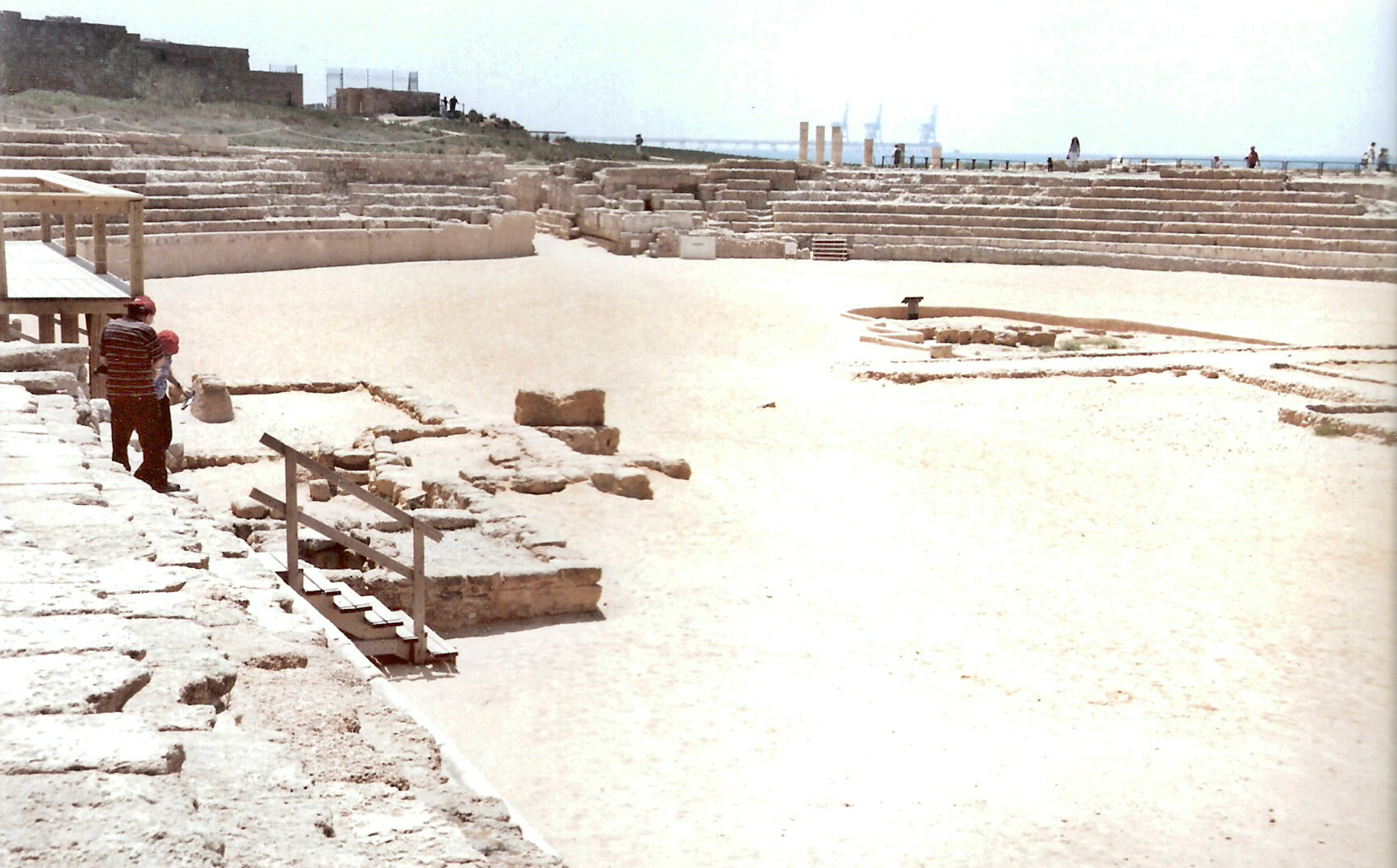
Although most of the port is now under-water, plenty of structures have been unearthed. Here we can see a hippodrome, where horses used to pull along charriots. The tight turns make one wonder whether some injury was possible.
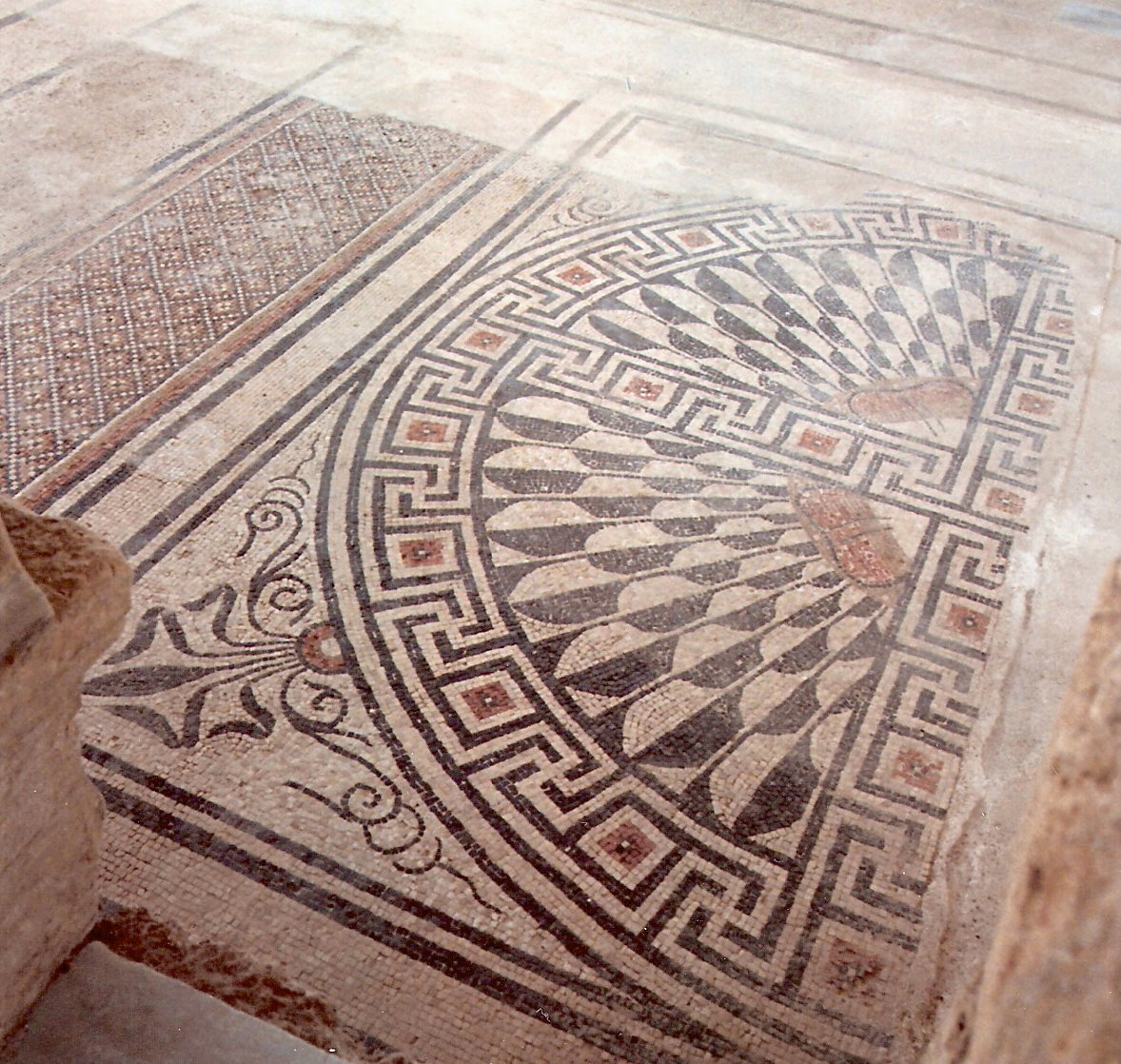
Similar to Tzippori, Caesarea also had grand buildings, which featured intricate mosaics.
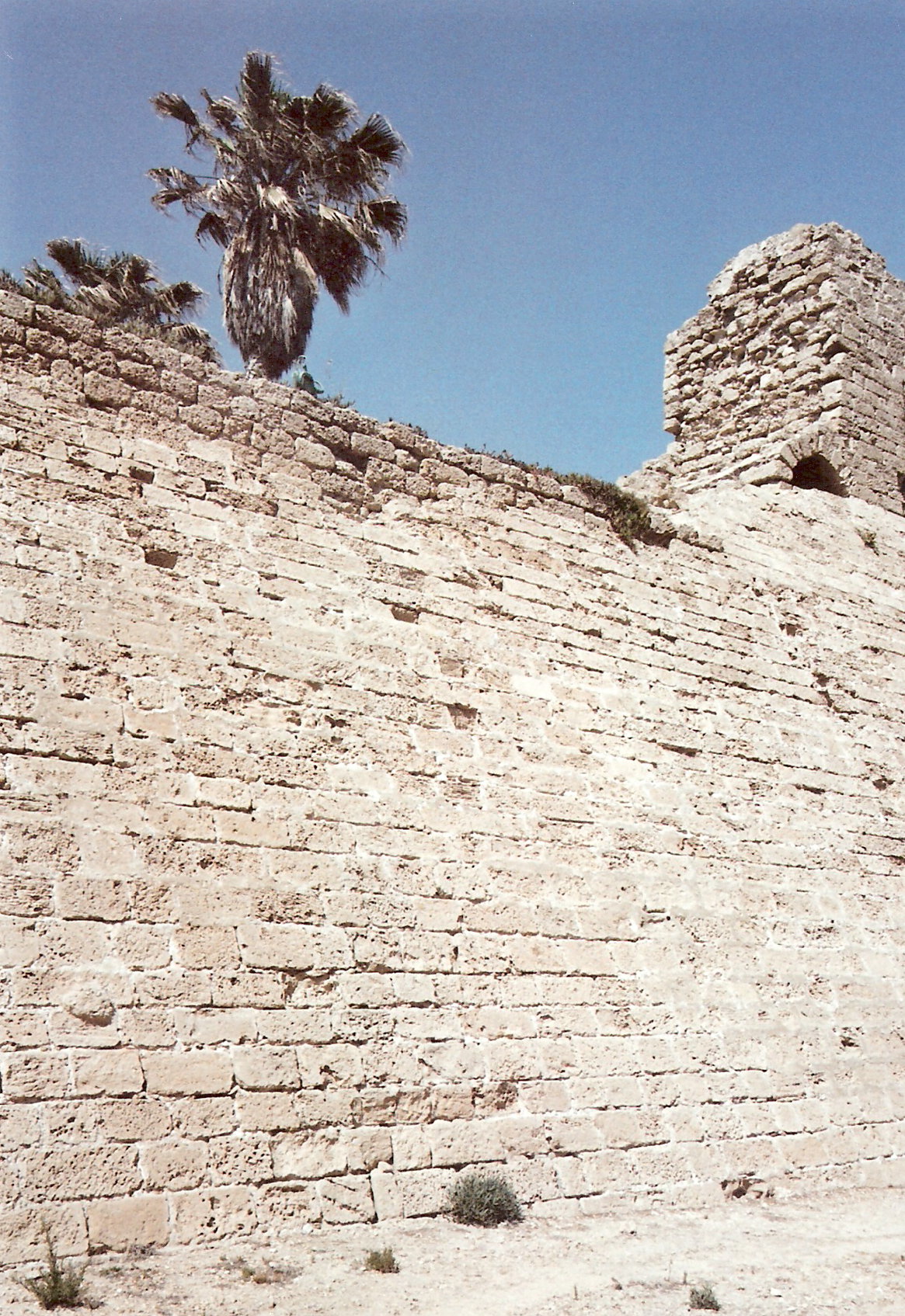
Finally, here are some walls that belonged to part of the moat that surrounded the city at a later time.
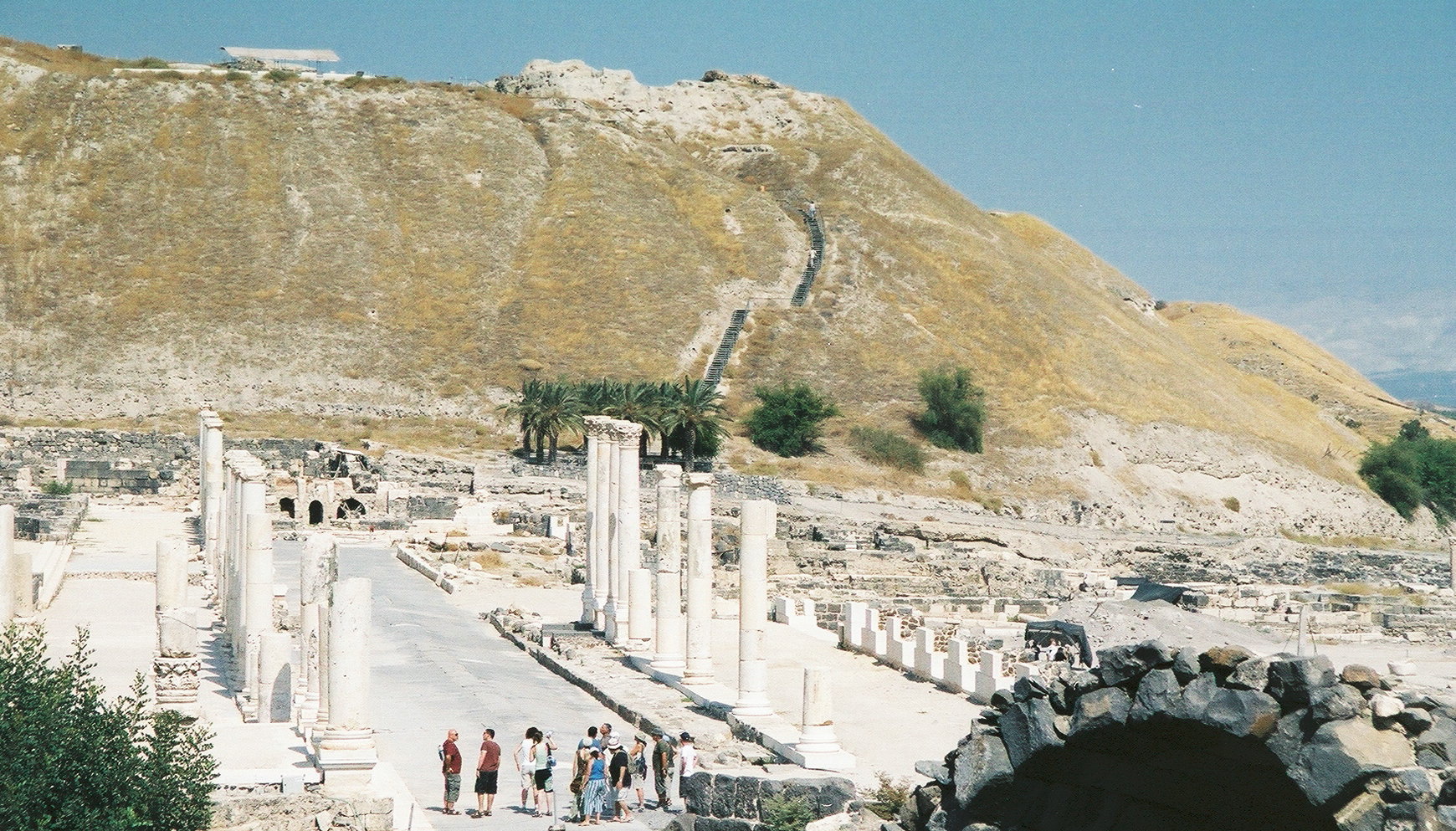
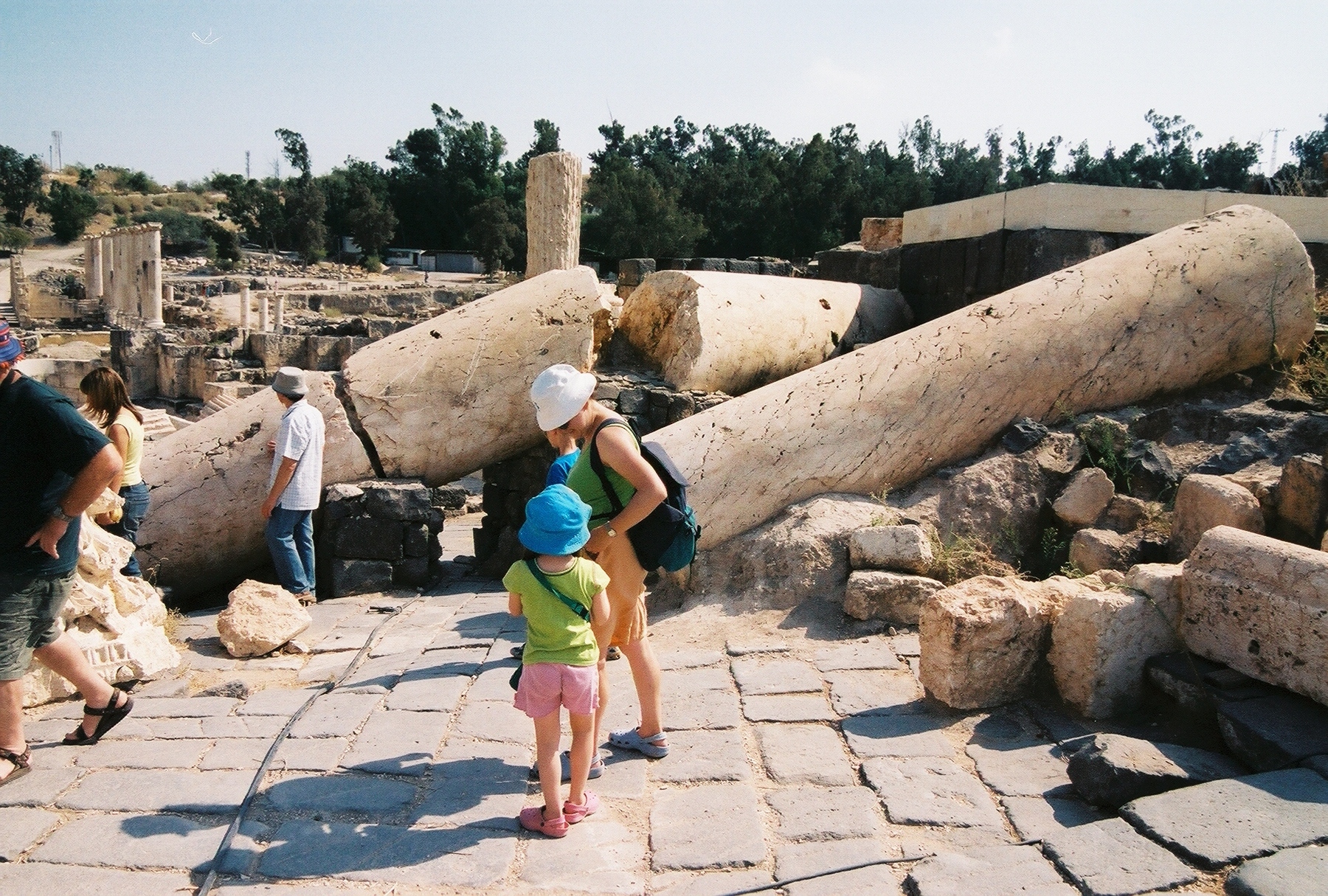
Here is a closeup of one of the massive columns that fell down.
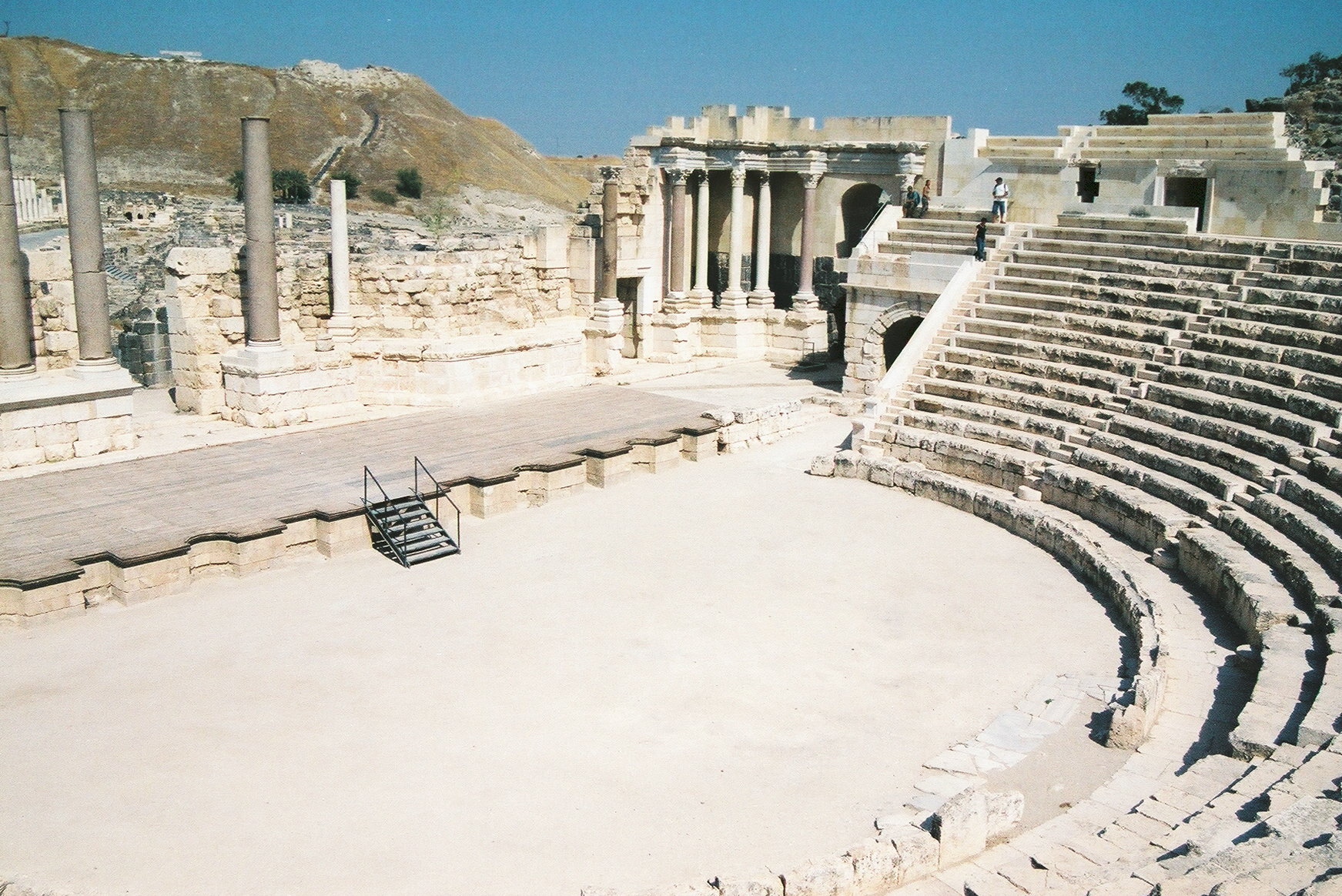
As customary for cities of the time, there was an impressive amphitheater.
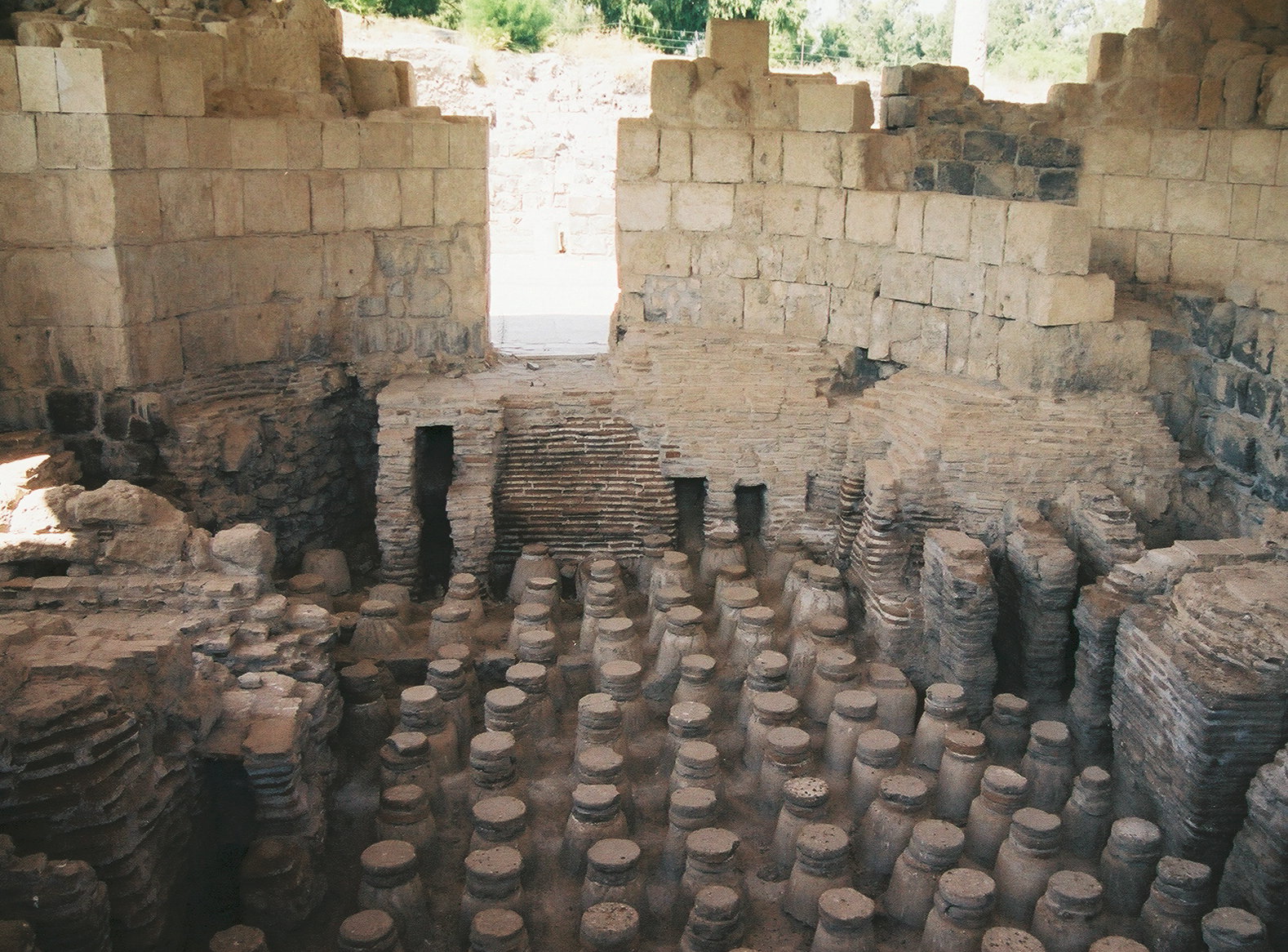
Another common feature was a bath-house. The small columns in the foreground were covered with a wooden surface, and heated water that flowed around them. This was the country club technology of that time.